
2551 San Ramon Valley Blvd. Suite #101
San Ramon, CA 94583

What Are the Four Stages of Keratoconus?
January 30, 2026 | By:Optometric Center & Eyewear Galleria
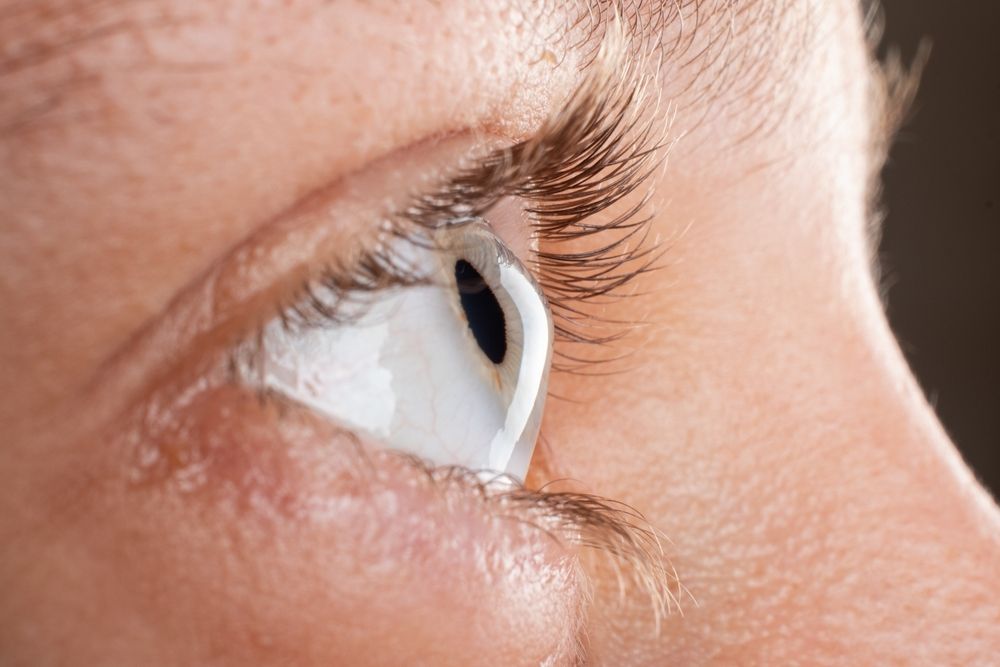
Keratoconus is a progressive eye condition that affects the shape and clarity of the cornea. Instead of maintaining a smooth, dome-like surface, the cornea gradually thins and bulges outward into a cone-like shape. This distortion interferes with how light enters the eye, leading to blurred and distorted vision. At Optometric Center & Eyewear Galleria, advanced diagnostic technology and specialty contact lens options allow us to identify keratoconus earlier and manage it more effectively at every stage.
Stage 1: Mild (Early Keratoconus)
In the earliest stage, keratoconus may be subtle and difficult to detect without advanced testing. Vision changes are often mild and may resemble common refractive errors.
Common characteristics include:
- Slight blurring or distortion of vision
- Increasing astigmatism
- Frequent changes in glasses or contact lens prescriptions
- Minimal corneal thinning
At this stage, standard glasses or soft contact lenses may still provide acceptable vision. However, early mapping of the cornea is crucial to confirm the diagnosis and monitor for progression.
Stage 2: Moderate Keratoconus
As keratoconus progresses, the corneal shape becomes more irregular, and vision distortion increases.
Signs at this stage may include:
- Noticeable visual blur and ghosting
- Light sensitivity and glare, especially at night
- Increased corneal steepening
- Reduced clarity with glasses
Many patients begin to struggle with traditional soft contact lenses at this point. Specialty contact lenses, such as custom rigid or scleral lenses, are often introduced to improve vision by masking corneal irregularities.
Stage 3: Advanced Keratoconus
In the advanced stage, corneal thinning and bulging become more pronounced, and visual distortion can significantly impact daily activities.
Typical features include:
- Marked corneal irregularity
- Significant visual distortion and double vision
- Difficulty achieving functional vision with glasses
- Increased dependence on specialty contact lenses
Scleral lenses are especially beneficial at this stage. Because they vault over the irregular cornea and rest on the sclera (the white part of the eye), they create a smooth optical surface and provide sharper, more stable vision. The fluid reservoir beneath the lens also enhances comfort and protects the corneal surface.
Stage 4: Severe Keratoconus
In the most severe stage, the cornea becomes extremely thin and steep, and scarring may develop.
This stage may involve:
- Severe visual impairment
- Corneal scarring
- Intolerance to traditional contact lenses
- Potential risk of corneal complications
While some patients may require surgical intervention, such as corneal transplantation, many individuals can still achieve functional vision with well-designed scleral lenses. Advanced diagnostic imaging remains essential for monitoring corneal health and optimizing lens fit, even in severe cases.
The Role of Advanced Technology and Scleral Lenses
Early and accurate diagnosis is key to managing keratoconus effectively. The Eaglet Eye Surface Profiler provides a comprehensive, three-dimensional view of the cornea, enabling precise monitoring of progression, and highly customized specialty lens designs.
Scleral lenses offer life-changing benefits for keratoconus patients by:
- Providing clearer, more stable vision
- Improving comfort for sensitive or irregular corneas
- Protecting the corneal surface
- Enhancing overall quality of life
Schedule Your Keratoconus Evaluation Today
Keratoconus is a progressive condition, but with early detection, advanced diagnostic technology, and the right treatment approach, patients can maintain excellent vision and eye health. At every stage, personalized care and precise measurements make a meaningful difference in visual outcomes.
Schedule a keratoconus evaluation at Optometric Center & Eyewear Galleria to learn how advanced technology and scleral lenses can help you see clearly and comfortably. Visit our office in San Ramon, California, or call (925) 744-7900 to book an appointment today.

All Eye
Care Services

Keep
In Touch
MAP
© 2026 Optometric Center & Eyewear Galleria. All rights Reserved - Accessibility Statement - Privacy Policy - Sitemap
Powered by
